


In the translation industry, we rarely come across research that is both extensive and genuinely practical. That is why we appreciate it when someone does the hard work and brings real data to the table.
Lokalise, a localization platform, recently published a report on the most common localization mistakes and best practices. The findings come from professionals who manage multilingual projects every day, and they closely reflect the situations we regularly encounter at Sinonim.
We decided to turn their conclusions into practical lessons. If you are planning to translate a website or app, or launch a campaign in a foreign market, these are the pitfalls worth avoiding from the start.
1. The Importance of Context in Localization
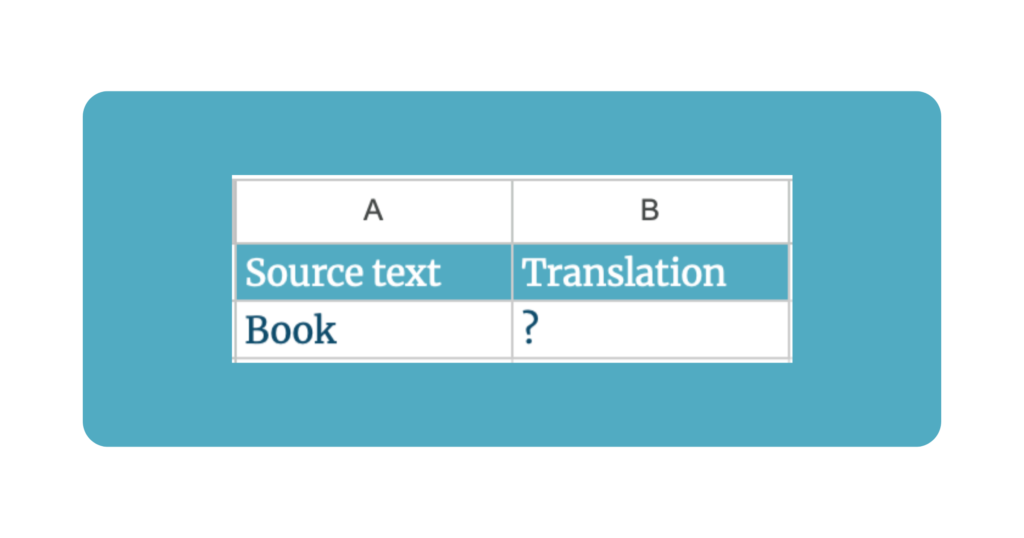
Imagine a translator receiving a spreadsheet containing a single English word: “Book.”
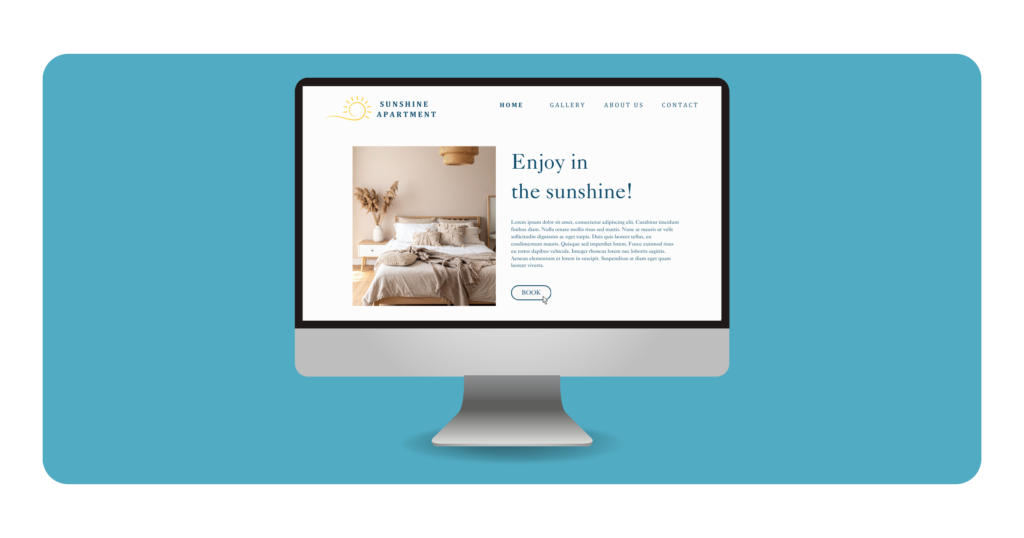
Is it a noun referring to a book in an online store? Or is it a verb meaning “make a reservation” on a button? Without context, the translator is forced to guess. Translating blindly creates unnecessary room for error.
According to Lokalise’s research, working without context is the greatest challenge language professionals face. Exporting website text into an Excel or CSV file is a perfectly normal part of the process. The problem arises when that text becomes disconnected from the environment in which it appears.
That is why our process always begins by looking at the bigger picture. We want to see the design in which the text will appear, receive test access to the app or at least review screenshots. The purpose of translation is to carry a message from one world into another while making it sound completely natural. That is only possible when we understand where the user is and what they are doing at that particular moment.
2. A Design That Falls Apart under Pressure
The English word “Buy” has three letters. The German phrase Jetzt kaufen has eleven.
If a button has been designed exclusively around the English word, it may fall apart as soon as the German translation is added. Text spills outside the button, elements overlap and the website looks unprofessional in the new market.
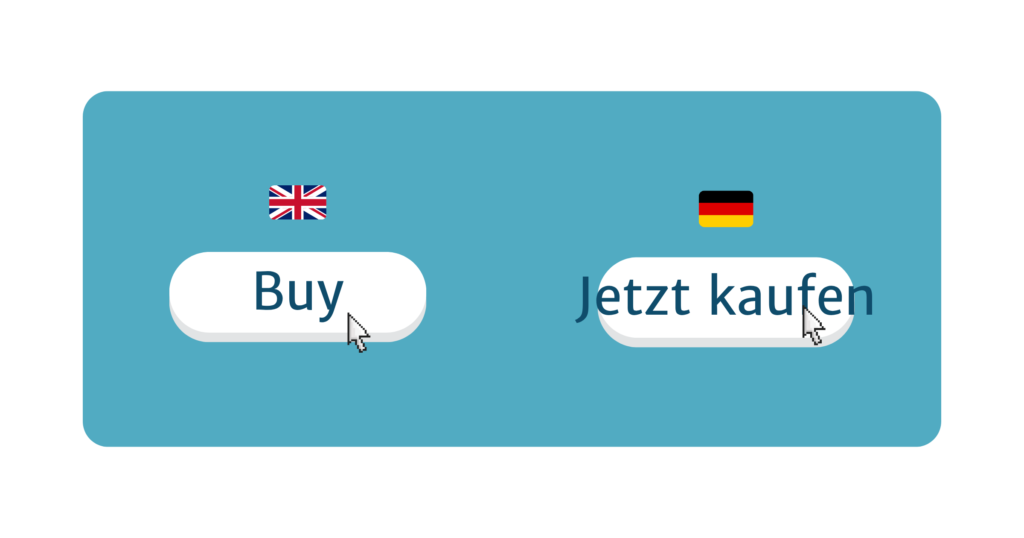
The research specifically identifies failing to consider localization during the design stage as a common and expensive mistake. German text is, on average, around 30% longer than English, and good design takes this into account from the beginning.
3. Defining Your Brand’s Tone of Voice
Imagine that your brand uses a relaxed and friendly tone in Croatian. Without clear guidelines, one translator might use the formal German Sie, while another uses the informal du elsewhere in the same app. Suddenly, your brand sounds like two completely different companies.
Many teams surveyed said they regretted not creating a glossary and style guide at the start of the project. These details may seem minor, but they are what keep a brand recognizable and consistent in every language. When you do not work with an agency and instead hire several freelancers to translate independently for different markets, inconsistencies can arise very easily unless you provide a clear document defining your brand voice. Each translator will interpret the text in their own way.
At Sinonim, we take a different approach. Our team pays close attention to these details and identifies your tone from the wider context. Before we begin, we thoroughly review your existing materials. We study your website, read your social media posts and analyze the way you communicate. The concise style guide we create as part of this process ensures that your brand sounds consistent and authentic, regardless of who is translating or which market you are entering.
4. Text Trapped in the Code
There is a technical mistake developers refer to as hardcoding: inserting text directly into the code of an app or website.
When text is locked inside the code, translators cannot access it without assistance from a developer. This means that every minor change, whether it is correcting a comma or updating a campaign headline, requires a developer to interrupt their work and enter the change manually.
The research confirms what we repeatedly see in practice: separating text from the code and storing it in dedicated resource files from the very beginning can dramatically speed up and reduce the cost of expanding into new markets.
5. The Myth of “We’ll Deal with It at the End”
The most expensive mistake is not linguistic. It is a scheduling mistake.
Leaving localization until the very end of a project is one of the main causes of missed deadlines and unnecessary stress. The reasoning may sound sensible: complete the entire website first and send it for translation afterward. In practice, however, this means that every linguistic or design correction requires the team to go back and revise something that was already considered finished.
Modern multilingual marketing works in parallel. Content is culturally adapted and tested while the website is still being developed. Problems can then be resolved as they arise, rather than at the end, when everything has already been finalized.
Localization Is a Growth Tool, Not a Final Expense
Localization is the bridge between linguistic accuracy and a genuine understanding of the target market. It ensures that international customers feel just as confident using your website as local customers do.
Lokalise’s research simply confirmed the principle on which we base our work: language is not an operating expense, but a direct tool for building trust and, ultimately, generating sales. Successful international expansion requires businesses to start thinking about translation during the earliest stages of design and development, not once the entire project is complete.


